Leaderboard
-
frog
Registered User6Points171Posts -
tac airlifter
Supreme User4Points2,052Posts -
JeremiahWeed
Supreme User4Points353Posts -
snoopyeast
Super User4Points255Posts




Popular Content
Showing content with the highest reputation on 12/04/2018 in all areas
-
6 pointsCE guy here. Support officers don’t want to run the show. We just want competent senior leadership. Much of the aircrew senior leadership that I have seen has been LESS mission focused than my CE leadership. I can’t count how many times I have pulled Airmen off of the airfield to make the base look better, trim the General’s hedges, etc. Regarding pilots knowing how to talk to people in order to get what you want, “especially civilians”...you probably know the least about how the civilian system works or how to get long-term production from civilians. Check your ego at the door.6 points
-
4 points
-
3 pointsEveryone has an opinion, so here's a differing one. It can be a good system but your statements are way too general. There's much more that goes into being able to say "PBS is great". Someone just breaking into the airline biz needs to understand that. Knowing what I know now, if I had a choice of two identical airlines - one PBS and one line bidding, I'd steer away from PBS every time. Ask any UAL pilot what their first iteration of PBS was like and I doubt you'll find any who were junior who say it was "great". The top half of the list bid for what they wanted which typically involved a balance of days off and work. This resulted in an abundance of flying left to assign by the time they got to the bottom half of the pilots. So, junior pilots were maxed out every month flying 90 hours of hard time. To make matter worse, since most flying was assigned, there was very little open time so trip trading was close to impossible. I imagine it's gotten better there, but that's completely up to the negotiating power of the pilot group. The bottom line is anyone working under PBS doesn't have a choice, so the only option is to make it as good as possible. That falls on smart pilots negotiating the rules, a good software program to follow those rules and the ability to continually update and improve when appropriate. If you have those, then as you said, it can be great. However, PBS will be manpower negative by virtue of the efficiency it brings. Less pilots at an airline is rarely a good thing. That efficiency will typically result in less open time and reduce the ability for people to massage their schedules. In the unicorn, ice cream and blowjob world, no one under PBS would need to massage their schedules because everyone gets what they want. The reality is, that everyone gets what their seniority can hold - far more strictly than under a line bidding system. My situation is a perfect example. Under PBS, I get what my 40% seniority can hold - period dot. Under line bidding, I can go that route if I want to put minimal effort into my schedule. However, I also have the option to bid conflicts or a secondary line and use the necessary follow on bidding process used to fill uncovered trips to effectively increase my seniority and access trips I couldn't get under PBS. Senior pilots get what they want under either system, so their opinions on which one they prefer matter far less. Ask the real junior guys what they like. Some know nothing different, so they may not have an answer. The bottom line is, with line bidding, there are more options available for the junior pilots to create a schedule that suits them than simply relying on what their seniority can hold via PBS. Trip design and typical schedules at FedEx aren't the same as the pax world, so that may be another reason why it wouldn't work very well here. When it comes to vacation, there's no way that a PBS system can generate the same results as the one at FedEx using line bidding. PBS would decimate our vacation system. I can take the 4 weeks of vacation per year I have now, put them in 4 different months and take all 4 of those months off with full pay. Do that with PBS. No pilot at FedEx who truly understands all the implications would ever vote for a PBS system. That's not out of ignorance or not bothering to learn the system. The only way it would come to be there is the same way it came to be at many of the airlines that use it now. It was forced on them during bankruptcy negotiations. If pax guys have been able to take those lemons and make lemonade, good for them. I'm happy PBS is working for them. I effectively use a version of it when I bid for my secondary lines since the process is similar. Take a pot of uncovered trips, put in for specific trips or general "here's what I want and/or when I want to work" and you get what you can hold. Everyone doing that at FedEx would completely suck.3 points
-
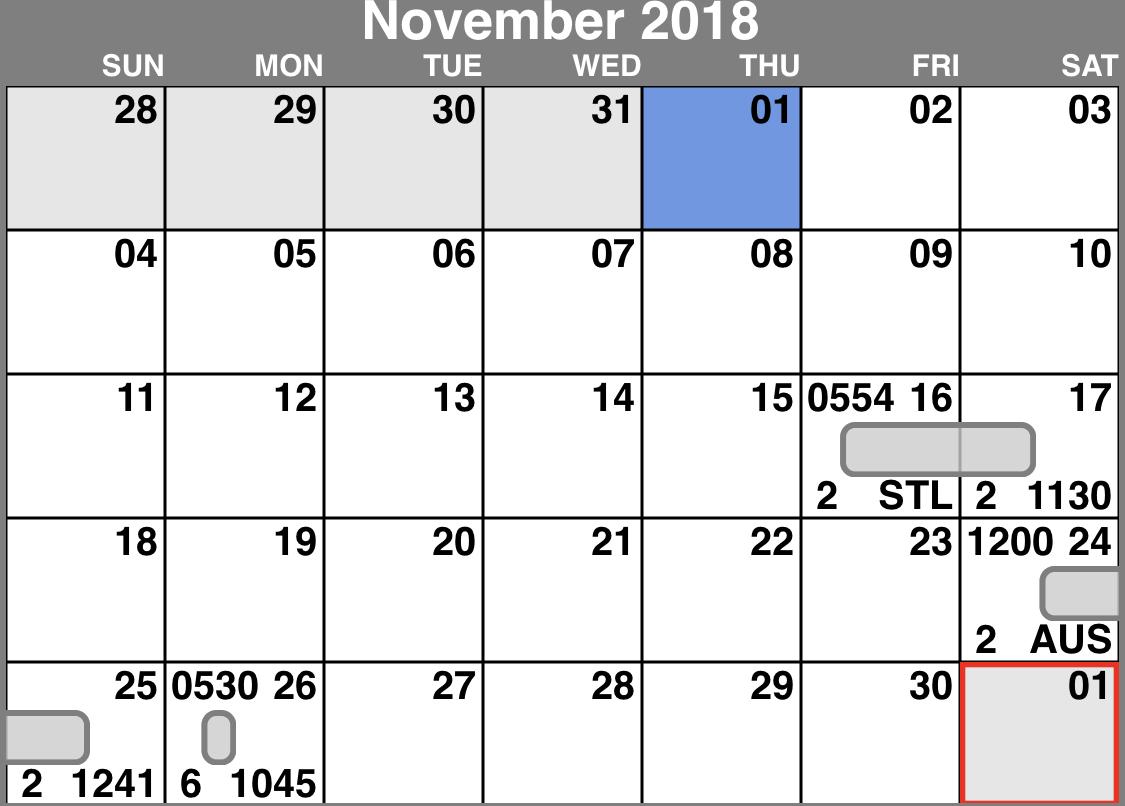
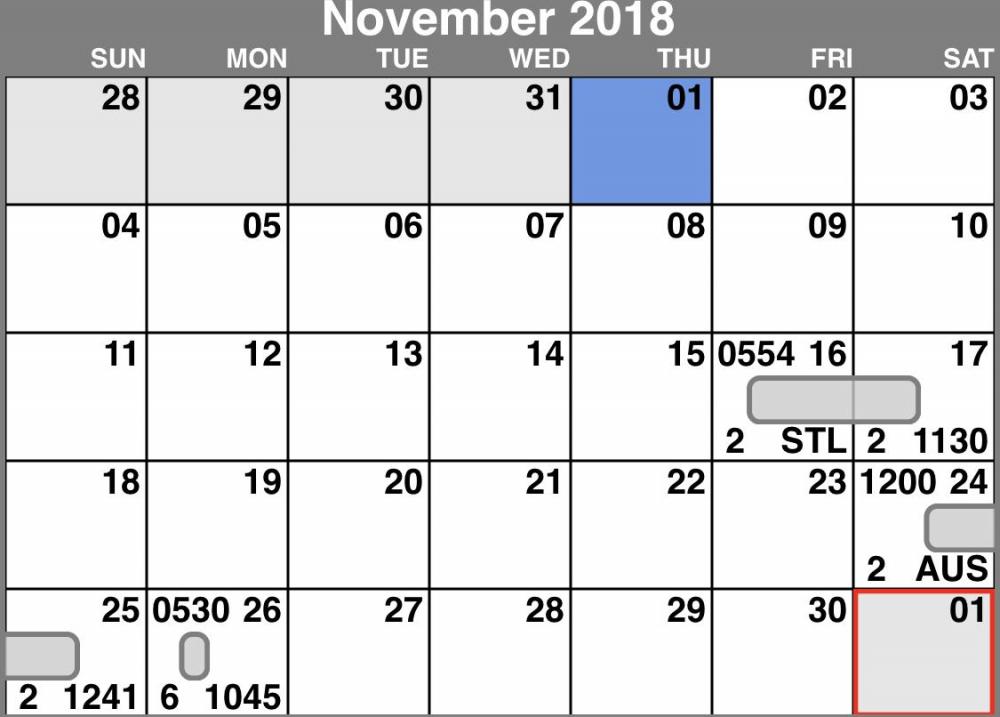
3 points3 pointsDo you think the USAF already has a light attack squadron? I don’t, because no one in the USAF is fighting with light attack aircraft. Yet we have the 81st fighter SQ. Advising with A29s isn’t combat, even when doing it in a combat theater; I’m in a position to have a valid opinion. This whole thread is based on a desire for the Air Force to acquire light attacked aircraft to use ourselves. Regarding CAA, I don’t want to argue, we won’t agree. Suffice to say yes I am intimately familiar with those missions sets and no it is not actual fighting (minus very rare exceptions) regardless of what theoretical authorities exist. Look at what AFSOC strike assets did to ISIS, that’s fighting. Sell CAA as fighting to someone else, I’m not buying it. at the end of the day, I think there’s no operational LAA in AFSOC by 2021. You think a single A29 used by the 6th to teach other countries how to fight = AFSOC LAA. We fundamentally disagree on terms, but I’ll still accept the bet because I don’t mind buying scotch for a bro. So either way I win! See you in 2021.3 points3 pointsIf someone goes to WIC to help their future SQ/CC chances, they are fucking it away wholesale.3 points2 pointsCY17 Staff tour 70+46+92 = 162? Hard to trust the bean counters when they can't add on their own slide shows...2 points2 points"play fighting?" Dude are you a proffesional? The CAA mission set and execution model is built on the exact same structures as an ODA. Work by with and through partner forces to accomplish US security objectives. If you want to argue theyve been short combat the last decade due to a lack of missions ill buy that but throwing terms like "play fighting" sounds utterly ridiculous. Do B-52s "play fight" because we havent actually dropped a nuke in 70 years? Its a mission set and a capability that they maintain readiness on and we have used extensivly in the past, regardless if we are actively using it today.2 points2 points“I think AFSOC still has no LAA by 2021” - your direct quote. The bet is a bottle of scotch that AFSOC will have LAA by 2021. The 6 SOS is in AFSOC, so technically the 6 SOS acquiring 1x LAA means AFSOC has LAA by 2021. I said nothing about an operational LAA squadron when you offered the bet that I accepted. AFSOC mission set 1 (#1 priority) is acquiring 3-5 LAA for the CAAs. AFSOC mission set 2 is all additive and that is SOF CAS. By by the way, “play fighting like CAA”? Do you even know what the CAA missions are? Directly fighting ISIS or Boko Haram in Lebanon or Nigeria or conducting unconventional warfare sure doesn’t sound like “play fighting” to me.2 points1 pointYou’re preaching to the choir on the work the WS cadre put in. A static close out would take away a SR’s room to maneuver for strats and pushes which will make the tough situation you and I both described worse.1 point1 pointPeople shouldn't go to WIC because they want the chance to lead a squadron of professional, tactical aviators in combat?1 point1 pointApologies, not sensitive about it. Just that when you claim to be a combat aviator and throw a term like "play fighting" to describe a mission set your credibility is in question. But play fighting sounds like something the mother of a snowflake drama student would use to describe his weekend LARP club, and I think we are all above that. "Henry, are you done with your play-fighting? Its time to come in for dinner!" For what its worth I'll agree the CAA's don't really seem to have a lot going right now outside of guchi vacation deployments and cool training opportunities. But there was an era (thinking Nam, Loas, Cambodia, Cuba, Thailand) in which that shit was really important and extremely kinetic.1 pointThat seems like a bureaucratic technicality. You wore the rank for 18 months, you have pics. The USAF can't control what you put in your shadow box. Sure the paperwork might say the lower grade, but you can still put the silver oak leafs on your retirement tchotchkes, right?! No one is stopping you other than red tape conscience. If I saw someone wear Lt Col rank till his/her last day, that's how I'll think of them at the VFW bar....?1 point1 pointYou're right, that is a more professional way to say what I mean. Valid spear, I'll take the feedback. Regardless, we have a bet gentlemen.1 pointUpon more research, I was wrong. Sorry for spreading bad gouge. I was passed over as a captain, so my research was through that lens, and for which continuation looks different. https://dopma-ropma.rand.org/selective-continuation.html Sent from my SM-T700 using Tapatalk1 point1 point1 pointBut CAA have berets... That means they're warriors... Sent from my iPhone using Tapatalk1 point1 pointIf this will be a show-stopper for you, then I'd steer clear of FedEx. There's been a pretty significant shift in the makeup of our schedules. The junior-most pilots now typically get secondary lines instead of reserve lines. Secondary lines now comprise around 20% or more of the total schedules available. The very junior secondaries will still have reserve, so they're not avoiding it - they just get it another way. But the main thing is that secondary line schedules aren't published until 5 days before the month starts. Wednesday night you get your schedule and you could be leaving that coming Monday for your first trip (maybe Sunday if you commute and need to leave early).1 point1 point1 pointTrue but the bid closes around the 10-11th, right? If you have enough seniority you’ll have a good idea of what days you’ll get off (sts) before the schedule is released.1 point1 pointI personally know several WIC guys who didn’t get school. One data point: how many WIC grads are in the 57 WG all competing against each other for that push? I freely admit that I don’t have the comprehensive data to say that 69% do or don’t go in res.1 point1 point1 pointUnited FO schedules posted on the 17th for the following bid period which starts on the 1st +/- (usually -) 1- 3 days so not alot of advance notice Sent from my SM-G930V using Tapatalk1 point1 pointBoth my interviewers were civilian guys and I’m pretty sure all they saw was “oh another military dude.” Wasn’t asked a single thing. Also I know not all my months will be like this, but if you live locally and bid reserve, there are ways to minimize work. That Chicago snow storm really screwed me. 10 months on property, and I alternate between a line and reserve at my choice. Do not commute! Edit: half those days were deadheads only
 1 point1 pointWho ever did the firing doesn't even understand what will follow. Knowing the G.I. mind penises will appear anywhere even at the most embarrassing time. Glad I'm long retired.1 pointAnonymous Activist Gets Potholes Fixed By Drawing Giant Penises Around Them https://www.fastcompany.com/3045488/anonymous-activist-gets-potholes-fixed-by-drawing-giant-penises-around-them?utm_source=facebook.com&utm_medium=social&fbclid=IwAR0CVUR4nfnytOLLSljhnyJmy7rjDd18gzyjPPDZuWouBDyO_yJAlEFoj8Y Did the 69 BS/CC find a new job already?
 1 point