
Leaderboard
-
Weav
Registered User6Points44Posts -
HuggyU2
Moderator4Points2,884Posts -
ClearedHot
Administrator4Points5,433Posts -
Bergman
Moderator4Points1,115Posts




Popular Content
Showing content with the highest reputation on 02/23/2021 in all areas
-
Happy public release day everyone. My boss asked me to wait until today before I posted: UPT select. 99 pilot 92 PCSM. 45 slots is a really thin year... Hope those of you who can nail it next time around.6 points
-
I'm brand new to the 777, and the F/O on this flight out of Denver was on both of my international IOE trips a while back. Absolutely stellar airline pilot and a good shit. I hope he gets the accolades he deserves.4 points
-
Word has it our PsyOps team is leaking them the UPT 2.5 syllabus to counter their efforts4 points
-
3 pointsI am extremely grateful for all the posters in this group and can proudly say I was offered my dream job as a KC135 UPT selectee today. This thread has been a wealth of knowledge. KC135 board. 3 pilots, 1 boom operator (Captain to LT Col). Most relaxed, human interview I've participated in and so glad I get to call this unit my future home. "Tell us about yourself" "Tell us about your civilian job and what its like" "Do you want to be an airline pilot?" "If you could get in the plane right now and go anywhere, where would you go and what would you eat?" "How do you handle conflict with another person?" "Tell us about your flight experience" "Ever have an instructor you didn't mesh with and how did you handle it?" "What do you do as an Army Officer?" "Favorite movie/food/drink? " "Questions for us?" PCSM 97 Pilot 87 250TT Age 26 If anybody has specific questions or anything, please feel free to message me and we can talk!3 points
-
3 points
-
2 pointsVery true. Government is a reflection of our community and society. Which is a big red flag for why our government is so messed up.2 points
-
2 pointsIf The Media Had Investigated Cuomo’s COVID Response The Way They Did Cruz’s Cancun Trip, Thousands Of New Yorkers Could Still Be Alive2 points
-
1 pointResearch results mean nothing if you never apply that research. Whether it's too expensive, or requires a large population to take an action that may not benefit them directly in the short term. Also, a very interesting effect happens with how you frame decisions. Freaking the decision as a 99% chance of living after infection causes a different decision making process than framing it as a 1% chance of dying. (The effect is more visible if you slide the percentages, say 80/20. Like a doctor telling you you have an 80% chance of surviving surgery is different than them telling you you have a 20% chance of dying. Both are factually correct, but they could elicit different responses because of how the information is framed). It's why some people enjoy skydiving, while some will never try it even if it's free to them-it comes down to how they handle risks and decisions. What makes it challenging is when decisions if others impacts your decisions and outcomes. With a 99% chance of living after infection, it's perfectly rational to say it doesn't matter at an individual level, live your life how you want, no masks, travel, etc, since your odds are good. (Yes, I'm ignoring the issue of getting infected, but recovering with longer term issues). But it causes problems for society at large. If a society is able to limit the spread of a disease (for example let's say to 3 million people, or roughly 1% of the US population), at 1% death rate, that's 30,000 people who died. But if spread is not contained and everyone gets it, 1% becomes roughly 3,000,000 who does from it. Same percentages, but vastly different practical outcome. So the challenge is for the society/countries to trade off individual risks and actions against broader social/national risks and actions. Especially in more individualistic countries, and where travel between cities/states is common.1 point
-
1 pointShould Texas receive federal disaster aid if they don’t implement federal preparedness recommendations? They wanted to be a distinct power grid in order to not be regulated but now they are getting aid for their failure to prepare for an event that had precedent only 10 years ago.1 point
-
1 point"Fatal role"? People like you are ubelieveable. "The virus is 99% survivable". "This vaccine which has had 2 deaths in millions of cases is playing Russian Roulette!"1 point
-
1 pointI haven’t read much specifics on the Texas situation, but two thoughts: - It was a once in a century weather event for that region...should their power grid be built to withstand something that might happen in 100 years from now? Is that extra money and effort worth it? Put it this way, 5 years from now Texans see a bond on their ballot for billions to “winterize” their power grid to withstand blizzard conditions. It’s going to cost those taxpayers a sizable increase in tax...how many will say “fuck that, this is Texas, I’ll take my chances with some 100 year storm!” Probably enough to kill that bond, and I wouldn’t really blame them. I also don’t buy warranties on every item I buy at Lowe’s. - SocialD brings up a great point about self reliance. I live in the north, have lost power for a week (along with everyone else). Everyone helped themselves and their neighbors. Nobody sued the state or sat there crying for gov to save them. Frustrating sure, but utilities were destroyed by a string of storms, and it took a ton of time/effort to fix, while those dudes worked in severe conditions. We accepted it as an annoyance, thankful people were working to fix it, and we took care of ourselves. Gov is not the answer, not being whiny pussies and having a willingness to put some elbow grease in is the answer. Edit: Not a spear at Texans, I’m guessing most are taking care of themselves/neighbors and not being whiny pussies. Comment above is addressing this general topic, agnostic of specific location in the U.S.1 point
-
1 pointSuck it old people, you’re on your own! I believe in survival of the fittest!1 point
-
1 pointDid you flip a switch in your house and the lights come on? Ok you know how that is like an expectation because you pay a bill... yeah that’s part of being a 1st world country. And no, you can’t choose to not be part of that. There have been court cases literally requiring property owners to reattach themselves to power/water/etc utilities. Turns out there is an actual category which makes something a public utility vs just another commercial business. If a private company wants to make themselves part of that enterprise, they have to meet certain expected capabilities. A lot of them are safety related like you can’t just kill people with crap wiring, others are expectation related like yes you have to pay overtime and maintain a grid of sufficient resilience we don’t see rolling blackouts because it snowed. Right now there is a war going on in legislation as to whether or not to categorize digital data exchange (ie the thing we are talking via) as a utility and that fight is ongoing. We long ago decided that sewage, water, electricity, etc were public utilities. So yes, the governmental oversight and the private companies responsible for designing and managing Texas electrical utilities absolutely have questions to answer here. Sent from my iPad using Tapatalk1 point
-
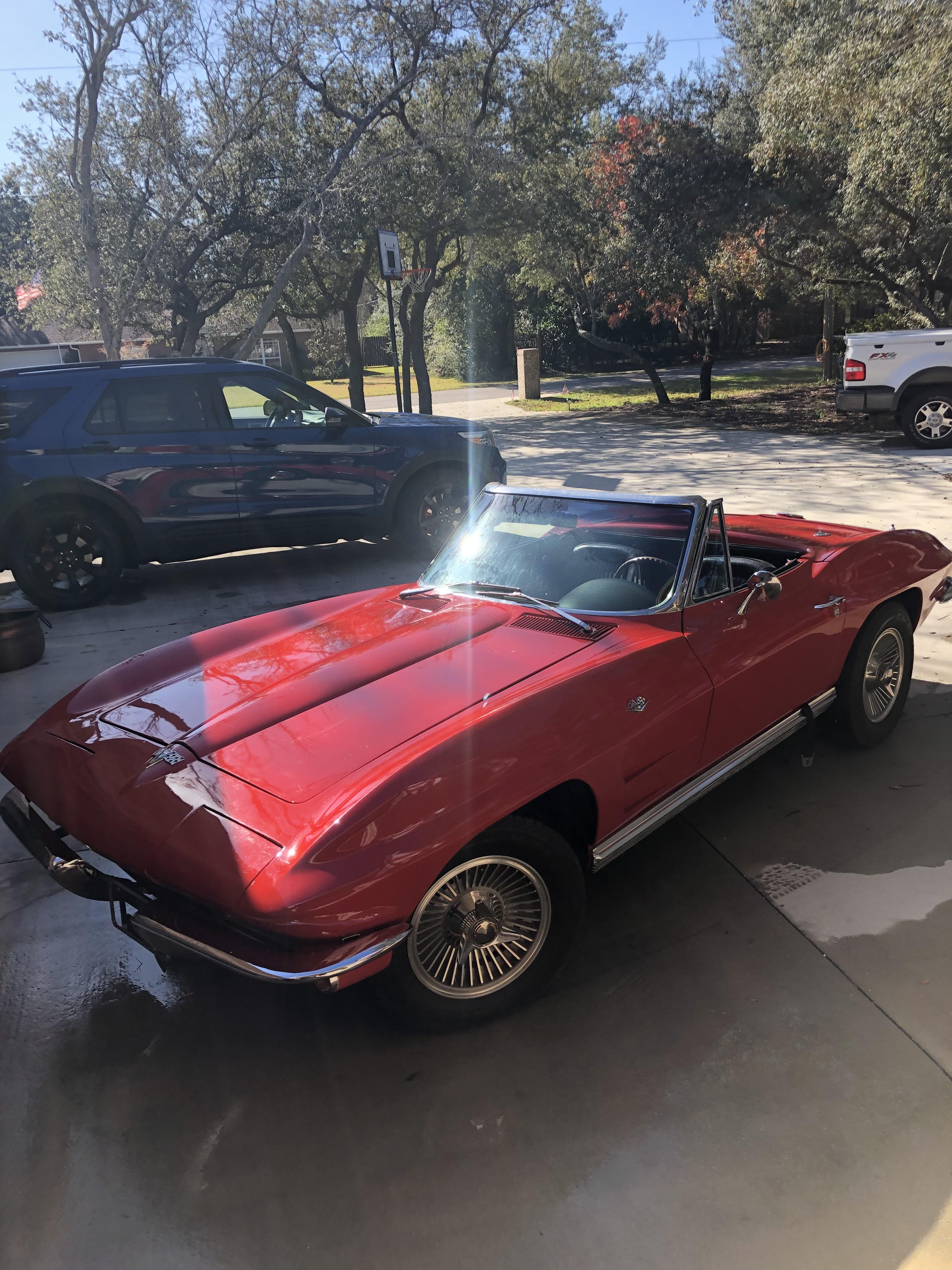
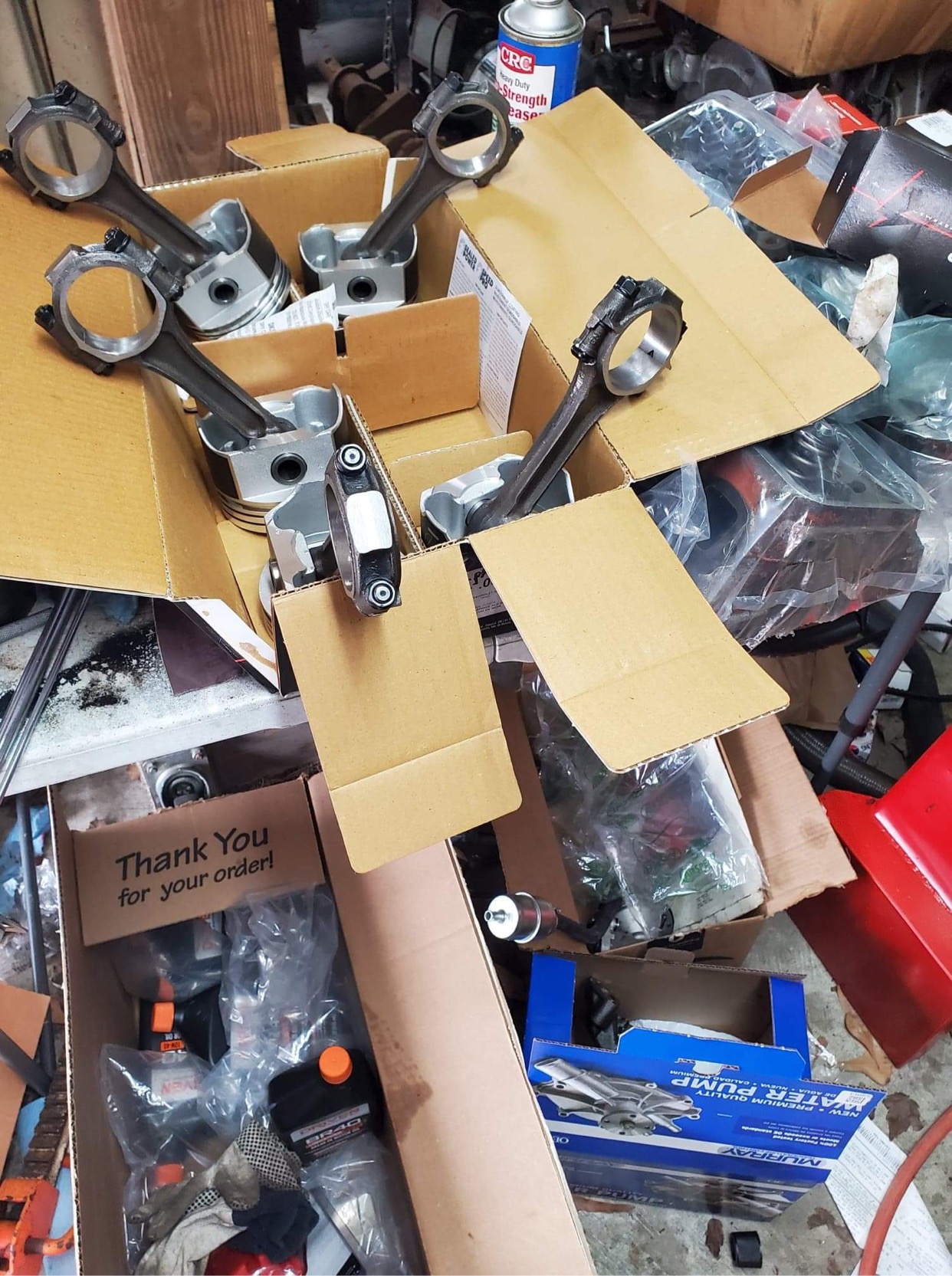
Never got into the Porsche thing, I guess my crank is too big. Always been a fan of American Muscle, they won't turn for shit but look great going in a straight line. Here is my baby - Just finished rebuilding the motor (327 HP), now turning 450HP on the dyno...that's a lot for a light fiberglass car.
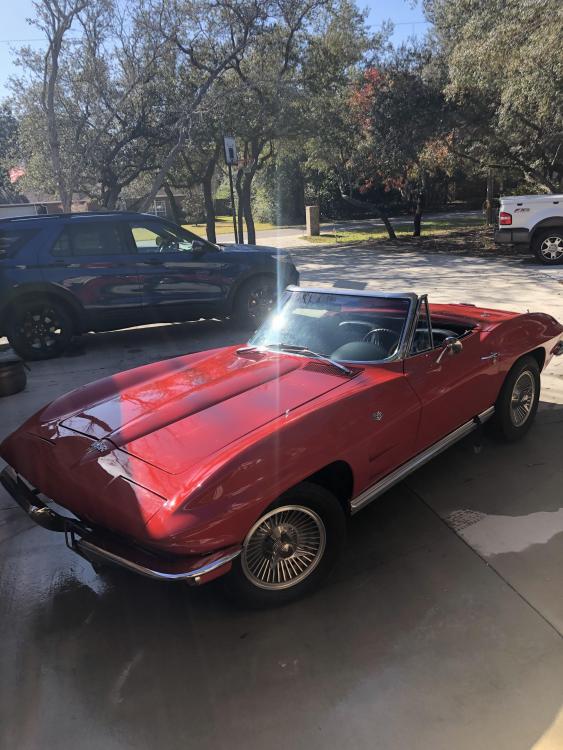
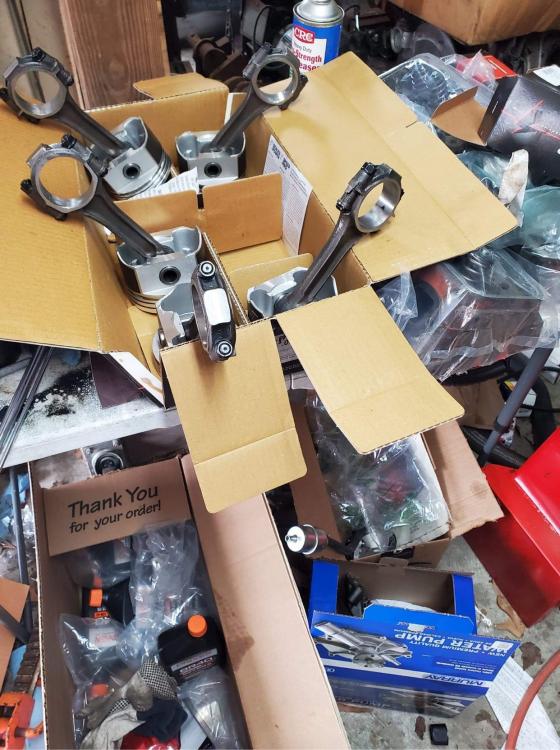
.thumb.JPG.2a0bed65d4f22815b8dda03f1548d585.JPG) 1 point
1 point -
I hear you. I picked up a really rough, but mechanically sorted '72 on eBay for about $32k. I've spent the past two years repairing the interior, making gauges work, and bonding the RSR panels to the body as well as paint so now it is presentable. Now that I live in southern California its my primary transportation even with a 12 point cage and fixed buckets. Makes it easier adding the miles knowing that a new SBC with 400hp is only a few grand...
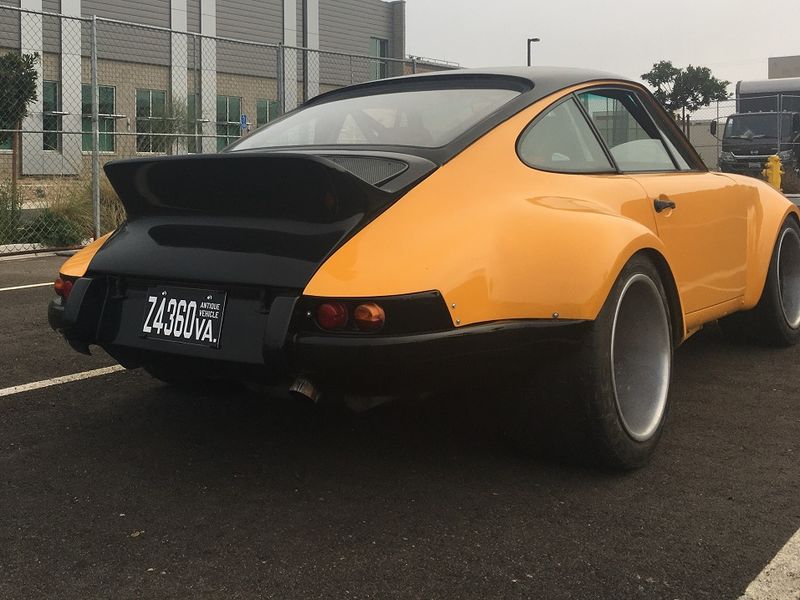 1 point
 -
But did they have their masks on?1 point
-
1 pointI’m guessing it’s more driven by the dire nature of aviation hiring market rather than the appeal of the unit itself.1 point
-
1 point
-
1 point
-
1 pointA Fucking MEN! Liberal media needs a reason to NOT report on Cuomo so they focus on Ted going on vacation. You want to talk about lies...thankfully DOJ and the FBI are investigating the joke that is the NY Governor and his staff. Over at the joke that is CNN Brother Fredo Cuomo has been absolutely silent about a controversy that may have caused 1,000 unnecessary deaths.1 point
-
1 pointOn the California vs Texas energy deals: As someone who has lived in both states, they are not even comparable. California has rolling blackouts every single summer for predictable and annual heat waves. You literally have to factor the power going out into your summer planning here. Texas had an energy issue for a once in 80-100 year cold snap. Could Texas have been better prepared? Absolutely. Has Cruz made a fool of himself during this, yes. Is comparing the Texas snow storm power issue to the decades of power grid mismanagement in California fair? Not really.1 point
-
1 pointPlus, the fact he lied again about how long he was going to be gone, and said it was his kids fault. Oh, good. I thought he was a US Senator or some other kind of leader. Tons of those in TX. Not like he could organize help in his neighborhood/city (instead of planning to flee for a week while leaving the dog), or raise some funds to help those who'll have massive bills coming, or home repairs. Nope, only thing he could do as "just a normal guy with a pretty bland, do nothing job." Pray tell what you're going to do when you run out of gas. Yep, nothing could be done in this situation. Just gotta deregulate more, and disconnect from the power grid...more? Didn't work for El Paso at all.1 point
-
Yeah, Ferrari used to say, “But Ferraris aren’t about the numbers, it’s about the passion!” when Lamborghini or even Corvette would make a car faster than them. Then, of course, when Ferrari had an objectively faster car they’d sure let everyone know. Now, to be clear, I’m a car guy. Have been my whole life, I guess. With some racing here and there. I’m half-assed in the market for a 1960s Alfa if I run across a good one (especially the big 2.0s, lol). If I had Cleared Hot-level money, it’d be an old Ferrari instead. Today’s cars aren’t like the old ones. Due to customer demand, everyone makes smooth, fast, roomy, efficient, automatic-everythings with enough electronic wizardry to keep everything firmly on the rails. For lack of a better word, they’re all super-tight luxury rides. And heavy as hell. Even the Ferraris - shifting and drifting in a red barchetta has turned into pulling g’s in a laser guided spaceship. And that’s totally cool, I love speed and g’s. While every manufacturer has been electronically tightening up their mechanical watches, the full digital Teslas come out and out-do the entire industry. Every year they improved and now there’s an 1100hp model that can outdrag a $3m hypercar. They’re beating everyone else at their own game and making the newest reciprocating engine cars look totally pointless.1 point
-
1 pointmegabits are rarely used to indicate storage size, and that would also be a tiny PDF file if it was only 8 megabits. I know it's important to look out for this stuff and be professional, but come on guys...1 point
-
1 point1 point-2 pointsThe fact that the lab rats are self selecting for a variety of roles in this grand experiment should make for excellent research results down the line...Not often that subjects will volunteer for a possibly fatal role in a great medical/sociological experiment like Covid.. The conclusions may very well save a lot of lives the next time.. We shall see....-2 points






.JPG.7c483c5f8db10028c6850aaa8578351c.JPG)