Leaderboard
-
arg
Supreme User4Points1,369Posts -
LookieRookie
Supreme User2Points810Posts -
Sim
Supreme User2Points760Posts -
Bigred
Supreme User2Points481Posts



Popular Content
Showing content with the highest reputation on 11/06/2021 in all areas
-
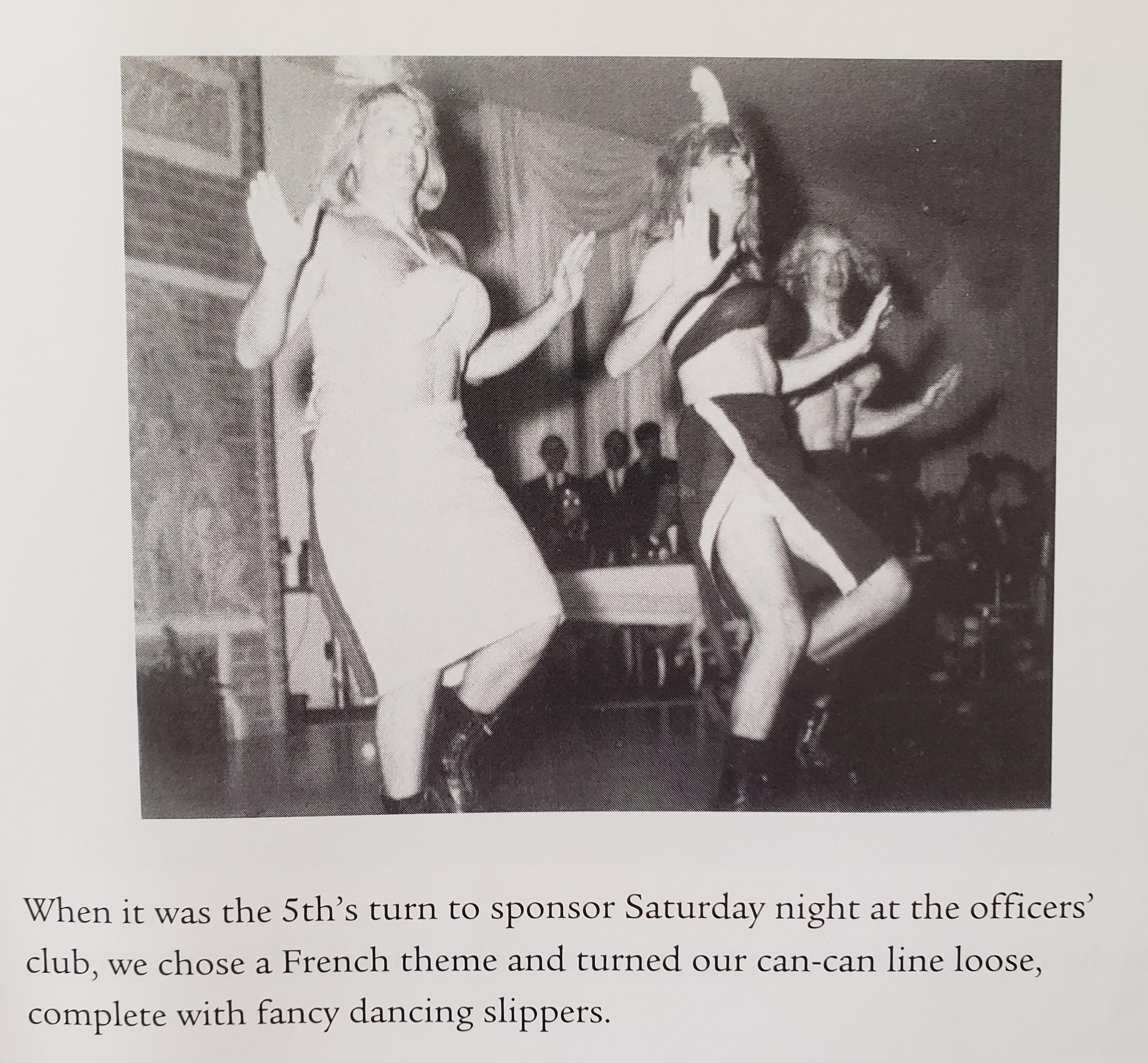
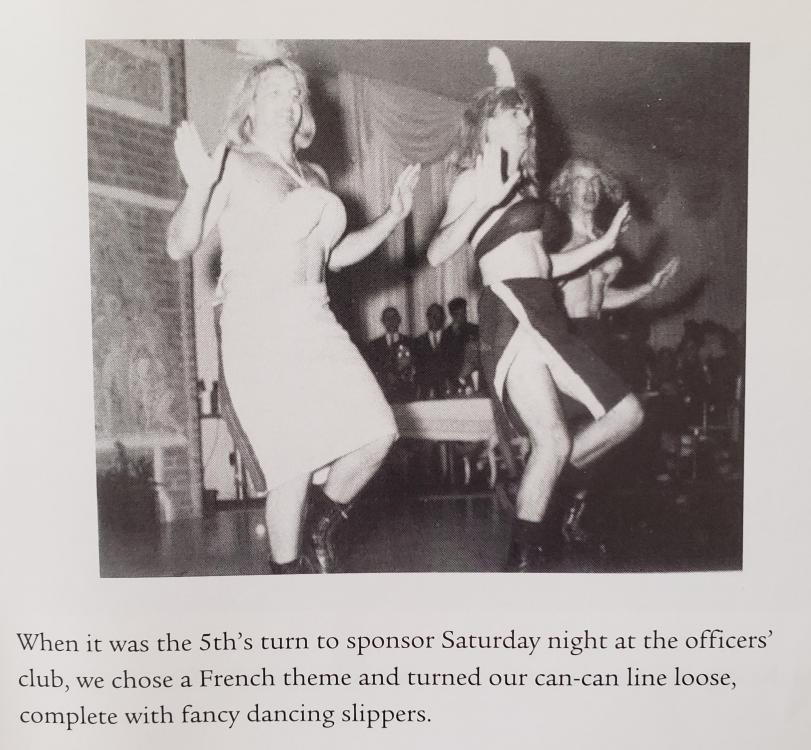
3 points3 pointsNow that we're out of Afghanistan, it will be interesting to see what becomes of those fleets. We don't have a good track record of supporting "novel / niche" weapons systems (see C-27). Also, guess we've already retired 2/3rds of the C-145 fleet? Some US-2 specs from Wikipedia below. Hard to put a lot of stock into them, since it is Wikipedia, and so much of the performance depends on loading. But I wouldn't have expected the US-2 to have a 2,500 nmi range. Impressive. Also, would have to imagine hanging all the enormous amphibian gear off the C-130 will have a big hit on its performance. The US-2 needs a congressional caucus to go bat for it. Gather up a couple ANG units in coastal states that are in danger of losing their iron. Pick a US defense contractor in an under-served state to provide the modifications needed to bring it up to our desired specs, etc. You know, throw some money and power around. US-2 Maximum speed: 300 kn Cruise speed: 260 kn Range: 2,500 nmi2 points2 pointsThe crew members didn’t have adequate rest. It was not legal.2 points2 pointsUsing the weather example above, if a PIC says no to flying with 300 & 3/4 when the mins are 200 & 1/2, I’ll back up his decision and he doesn’t fly that day. I’d also recommend he lose his PIC designation and needs to go through requal.2 points1 pointI thought this was a very well written and researched article and while I have a huge amount of respect for General Elton as both a leader and a person, I don't agree with several points in the article. 1. In their first point, I agree we should continue all efforts to get any remaining US and SIV individuals out of Afghanistan (no brainer). I disagree with the importance/focus on the human rights/humanitarian situation in Afghanistan (they dedicate 3 full pages to it). A good segment of the population either overtly supported the Taliban or passively allowed them to take control (several news reports from Afghanistan post-withdrawal have documented the rural area populace support for the Taliban). People get the government they deserve and quite frankly I don't care if the people of Afghanistan want to live in the stone age. 2. The issue of Afghanistan becoming a competitive space in Great Power competition between us and China (return to the Great Game as it were) is interesting and I'm honestly not sure how it will play out. It's somewhat ironic that the issue of REEs has almost caused a return to industrial age thinking about conflict and critical mineral supply (quest for autarky in some ways by China and now the US). If history informs us about anything involving Afghanistan it's that no foreign power looking to exploit the country fairs well in the end (except maybe the Mongols). I just read an article about a direct legal shipment of pine nuts from Afghanistan to China, I'll be curious to see where the Chinese-Afghan relationship goes. I personally didn't/don't feel that continuing our presence in Afghanistan was worth it to counter China's influence in that part of world. Additionally, none of the infrastructure is currently in place to exploit the REEs in Afghanistan and the security situation in-country continues to be extremely volatile. 3. I would probably agree there will be the possibility that there could be an increased terrorist threat from Afghanistan due to several groups now having increased/uncontested freedom of maneuver. That being said, I think the possibility of Ex-Ops emanating from Afghanistan can be countered by the vast increase in intelligence gathering we've put in place post 9-11. I don't agree with their premise that ISIS-K is/is becoming a terrorist proxy of the Taliban. See article below for the most recent example of why I don't think the two groups will be buddies anytime soon: https://www.cbsnews.com/news/afghanistan-kabul-hospital-bombing-attack-taliban-isis-deaths-2021-11-02/ I think going forward there will increased fighting between the Taliban and ISIS-K, not less. Several of the policy recommendations going forward are good, especially regarding the CTF piece (always follow the money). I also agree with not recognizing the Taliban as the legitimate rulers of Afghanistan (for a variety of reasons). I think officially recognizing the NRF is probably futile at this point (they've been defeated militarily and I don't know what the long term value in supporting them is). The focus on revamping/increasing our IO efforts towards China and Pakistan is spot on, but unless the US drastically changes it's approach to IO, its unlikely to happen anytime soon or be effective. Finally, I believe that a cross-GCC effort towards countering China would absolutely have benefit. Taking this from concept to execution in the real world is very difficult. I've been out of the staff world for going on 3 years now, but in my albeit limited experience, getting the GCCs to cooperate/coordinate/share resources is a royal pain in the ass. They tend to get stovepiped into dealing with the problems specific to their respective AOs, and mostly view the competition for resources as a zero sum game. Coordinating authorities are only of limited use, because they can't actually order anyone to do anything. Overall though very good, reasoned article, thanks for posting.1 point1 point1 point1 pointThat would be a view from MSNBC or typical lying left. I think PV forced lying news to retract their lies over 350 times.1 point1 pointTruth, although there is something to be said for being told to proceed direct Sammy for 69 turns in holding.1 point1 point1 pointWell, leadership recently ordered a crew at Tinker to fly a mission that by the book was legal but in reality was stupidly non-sensible. To me that's the role of the AC. If you're go/no-go factors as an AC are simply whether or not its legal by the book to take off or land, than we are paying you too much. Fuck the Nav can look in a book and tell you if you have the mins or not. I would say the guy at the TMO desk could do it but I don't think they've ever cracked and AFI in their life so I won't go there. Anyway, the AC is there when by all accounts you should be allowed to do something, but for whatever extenuating circumstances or factors that guidance doesnt capture, its just a really stupid idea.1 point1 point1 pointMins in UPT (AETC) are ceiling and vis. Mins in ACC are ceiling and vis. Mins in AMC are vis only for straight ins (but most AMC pilots never figure that out and keep spewing this 200-1/2 bullshit). What are the mins to fly this approach in AMC? https://aeronav.faa.gov/d-tpp/2111/00150IL6.PDF1 point1 pointStupid concept. It’s imaginary money, doesn’t exist until the stock is cashed in. Could be assessed for $50M and then be worth $500 when you have to pay up. Edit add: they also paint buying and holding of stocks as some evil thing super rich people do. No, that’s just a normal thing people do.1 point1 pointI actually think your solution would be appropriate. I'm not sure if the medical screening happens after contracting and selection for bait-and-switch purposes or if its a budgetary thing, but I'd argue that your method would still save money simply by helping out pilot applicants and ensuring motivated officers are are qualified and then retained. I've known a lot of fellow flight DQ'd officers who just do their 4 years as an LT (where you mostly learn and get trained) and separate right when they make captain and can actually put their skills and knowledge to use, to pursue aviation on the civilian side. The AF just spent $42K on my training for a career that won't persist past another 10 months if I go that route, and I won't use any of what I was just trained on in that timespan. All that is on top of the $20K+ in 2018 that I similarly haven't used. Point is, the AF wastes money on the officers it DQ's anyway by investing in them just to have them leave if they never come to terms with the flight docs decision. Seems like they could use that in a different way, and ensure that people in non-rated positions are those that actually want to do them.1 point1 pointIt took a while to find it because the book was buried in my HHG but maybe they're looking to bring back the glory days of the O-Club. The Minot AFB Officer's Club from Jack Broughton's Rupert Red Two:
 1 point1 pointI’d rather use that then some of the things the uncreative types come up with. Unsolicited advice, but if you want to make an acronym for a callsign, don’t make up something that looks like an unpronounceable fix on an approach plate.1 point