Leaderboard
-
M2
Administrator4Points6,064Posts -
HeloDude
Super Moderator3Points3,590Posts -
brabus
Supreme User2Points4,855Posts -
Lord Ratner
Supreme User2Points2,919Posts




Popular Content
Showing content with the highest reputation on 10/15/2024 in all areas
-
2 pointsI’m pretty confident that both campaigns have internal polls that tell them how they’re doing…so when Trump says he won’t do another debate and Kamala says she’ll do an interview on Fox, I think that’s both very telling.2 points
-
2 pointsThe WSJ take on the situation, with the added bonus of a humorous story on the "worst spy ever," Fengyun Shi! Mystery Drones Swarmed a U.S. Military Base for 17 Days. The Pentagon Is Stumped. U.S. officials don’t know who is behind the drones that have flown unhindered over sensitive national-security sites—or how to stop them https://www.wsj.com/politics/national-security/drones-military-pentagon-defense-331871f4 To view the article with pictures, go to the Air Force MWR Libraries website (https://daf.dodmwrlibraries.org/) and log in using your DoD ID number (i.e., EDIPI) and DOB. Once confirmed, under ‘Find a Resource’ search for the Wall Street Journal. Once at that publication’s website, use the URL above.2 points
-
1 pointThere’s a bunch of rules her team would insist on that JR would laugh at.1 point
-
1 point
-
1 pointThe Democrats are absolutely terrified that the polls still skew in favor of Democrats, as they have for the last couple election cycles. If that's the case, Trump has it in a landslide (by modern standards, not like Reagan).1 point
-
1 pointWell, just three weeks out and I’d say it’s a toss-up to slight lean for Trump. Kamala is going to do an interview with Brett Baier on Fox…if she was winning then I doubt she would be taking this unnecessary risk. At this point I won’t be shocked if either one wins. ETA: It won’t be “live” but according to Brett it will be unedited with no commercials1 point
-
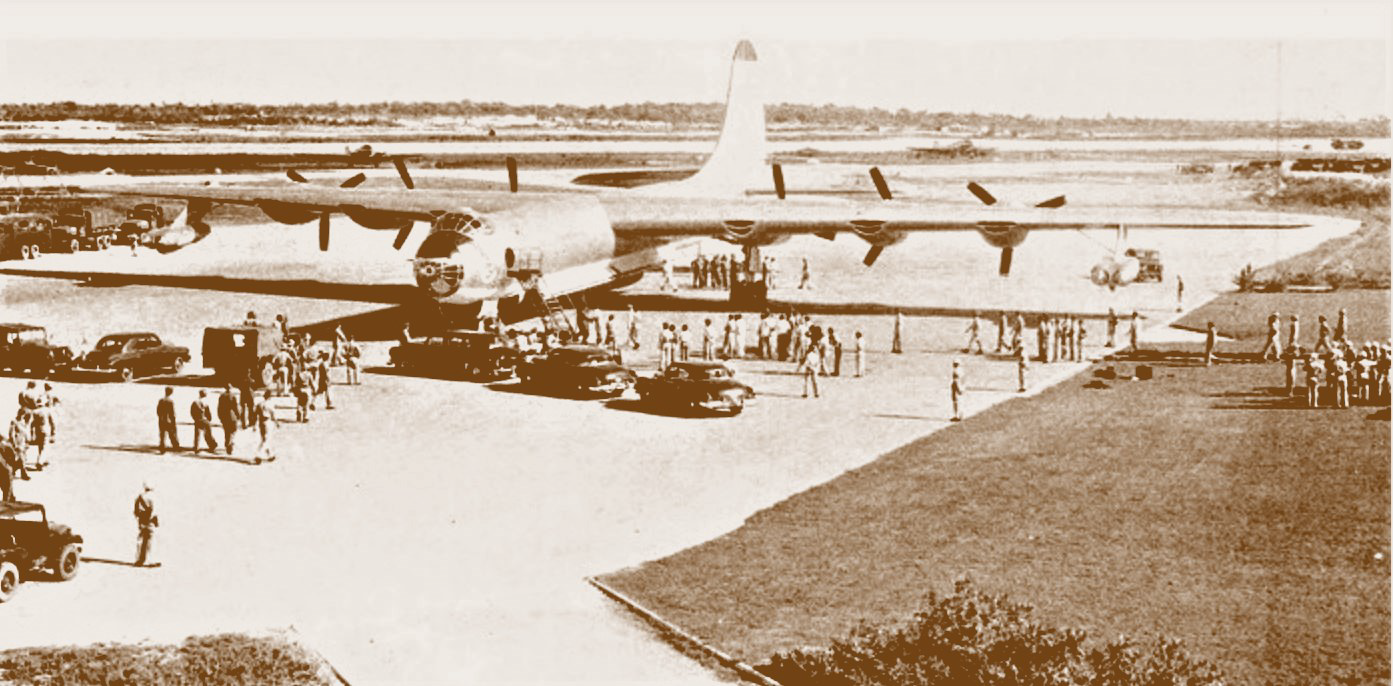
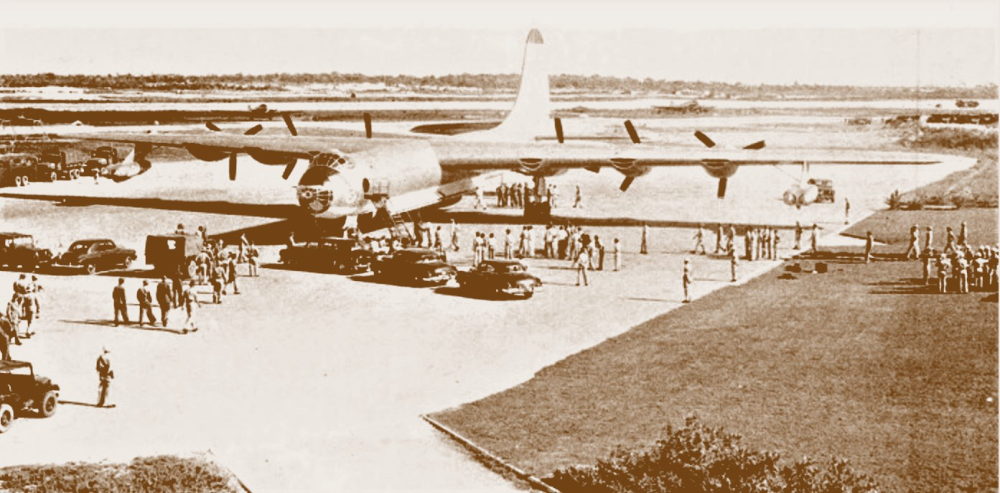
1 pointToday in 1954, 70 years ago, the first full wing of Consolidated B-36 Peacemakers—which were then the largest intercontinental bombers in the world—deployed to Andersen Air Force Base on Guam. This was the first time a complete B-36 wing had deployed overseas. The bombers were part of Strategic Air Command’s 92nd Bomb Wing (pictured here on Guam with one of their B-36s in 1954). At the time, Brig Gen Joseph D. Caldera told media outlets that the B-36 “now flying daily over the Western Pacific could take off from Guam, hit every important Russian target, and land in England,” making Guam the chief Soviet target in the Pacific were the Cold War to turn hot. While the B-36 was the primary component of America’s nuclear deterrent force in the early Cold War, no B-36 ever dropped a bomb in combat. (Photo: AFLCMC/HO)
 1 point
 -
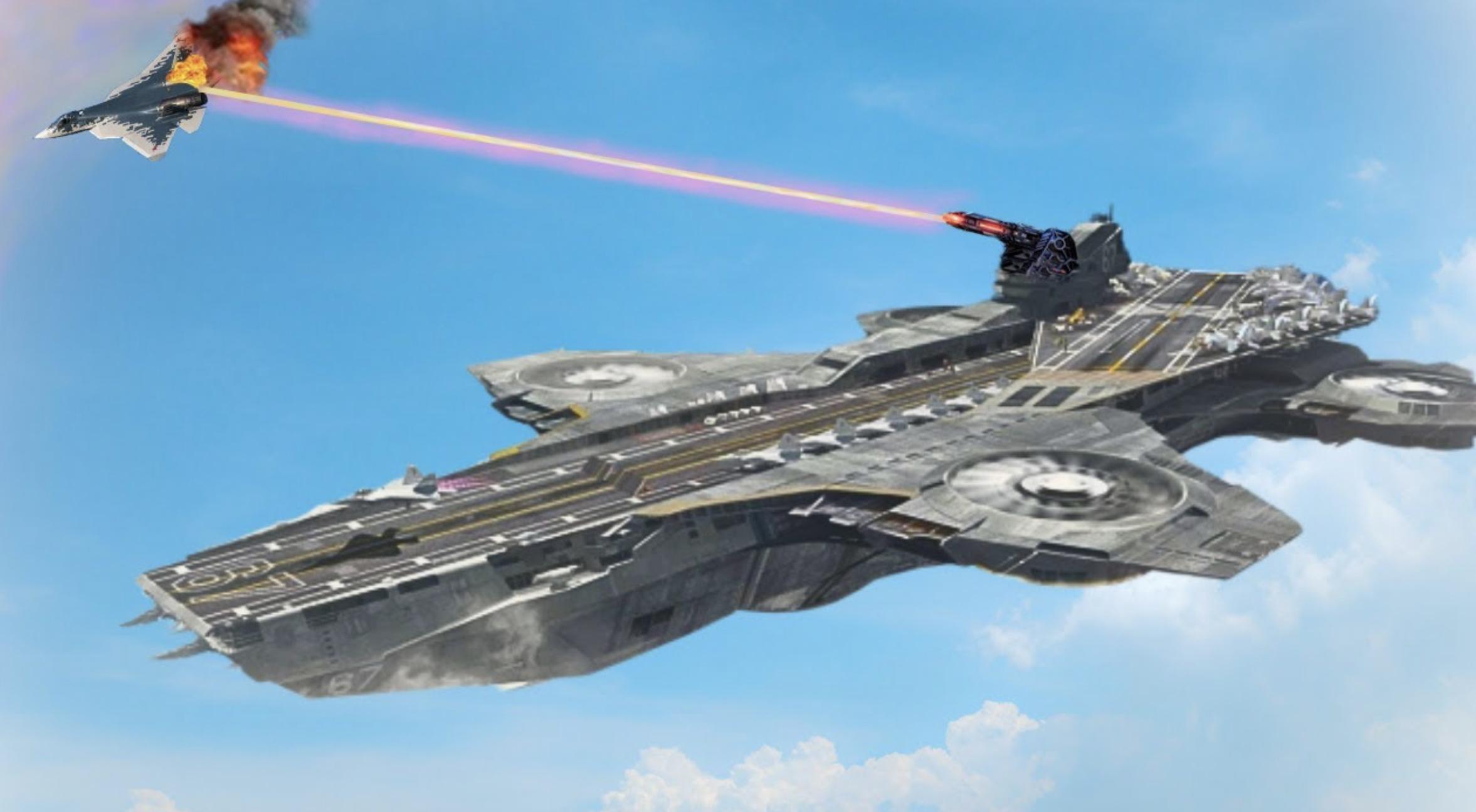
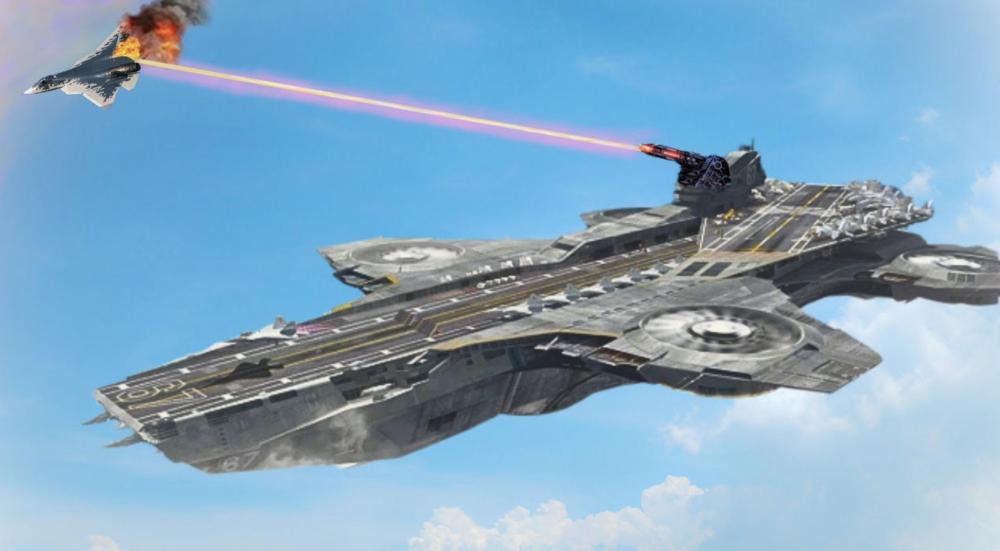
1 pointBecause we prioritized money on the below. At least 3 flying at any one time IVO Chinese territory, mostly undetectable across multiple spectrums. Most Chinese reports of UAPs are this or the F-35s associated with it. Bottom line, have to prioritize funds somewhere. FAFO Xi…
 1 point
 -
1 pointFurther googled: Dutch and Danish F-16's were donated to Ukraine. Those are AM and BM configured which have been upgraded to have HMD's. Also this picture from The War Zone helps: Definitely not an -9X in the picture, but that doesn't mean they do or don't have them.1 point
-
1 pointWith both JHMCS and 9X, I'd imagine they do. As a bonus, the pilots that survive the war will have life-long neck pain to look forward to...1 point
-
1 point
-
1 pointHere's the video of anyone wants to watch. Also, if you have kids that watch YouTube, this is a channel to add to their whitelist.1 point
-
I'm literally just copying and pasting from the slides at the end of the night. I'm not going to fact check the FAIPs that put together units and aircraft.1 point
-
1 pointMeanwhile Elon caught a booster in flight with a tower today on the FIRST try. That was AMAZING!1 point
-
1 pointShe’s way better than the Dem’s current options, but she is an establishment politician through and through - a lot of people, myself included, do not like that.1 point
-
1 pointI’m good with Vance being President. Sent from my iPhone using Baseops Network mobile app1 point
-
1 pointyeah. most O-6s in todays environment are fucking losers who obsess over friday shirts and patches. you're better off not associating with them.1 point
-
1 point
-
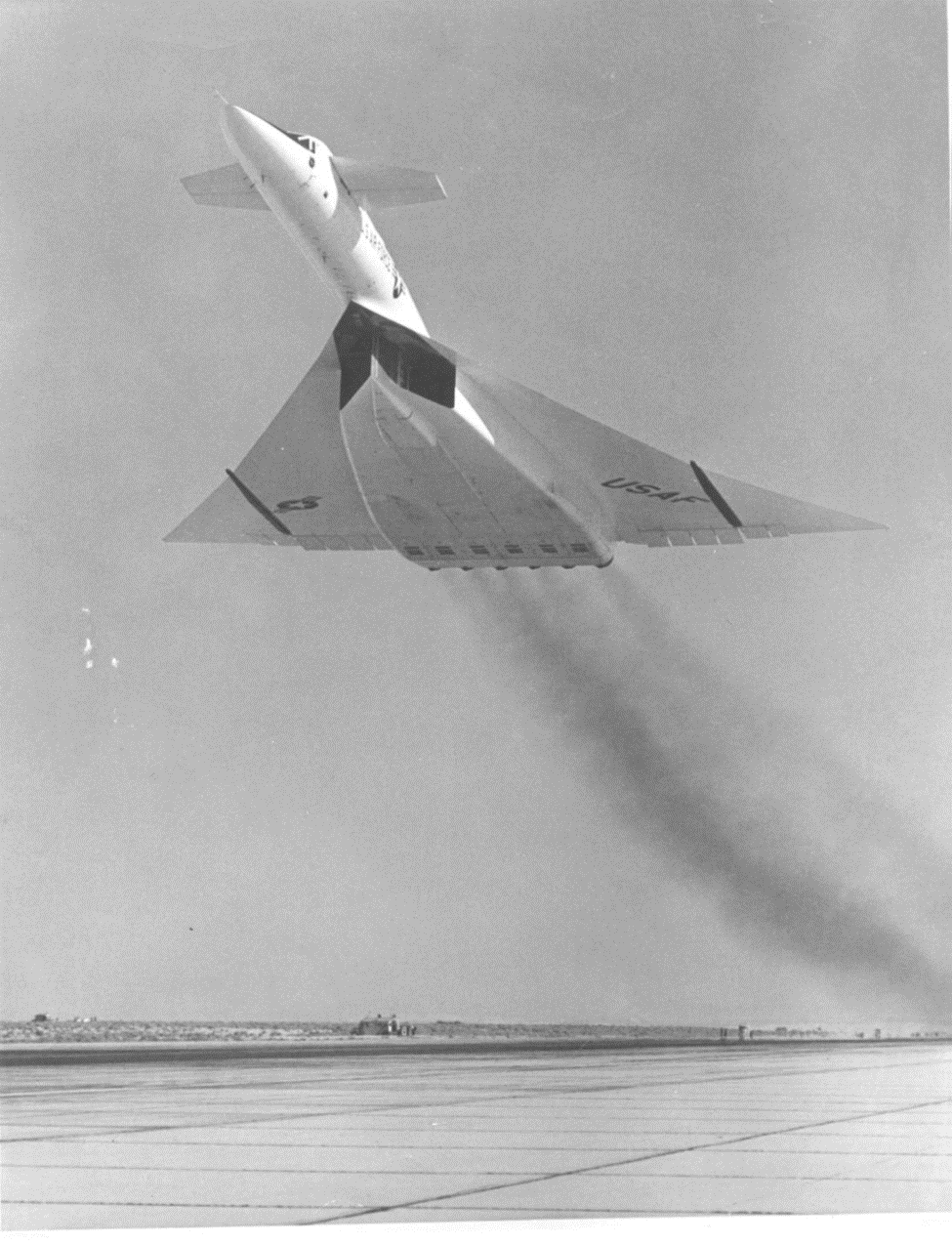
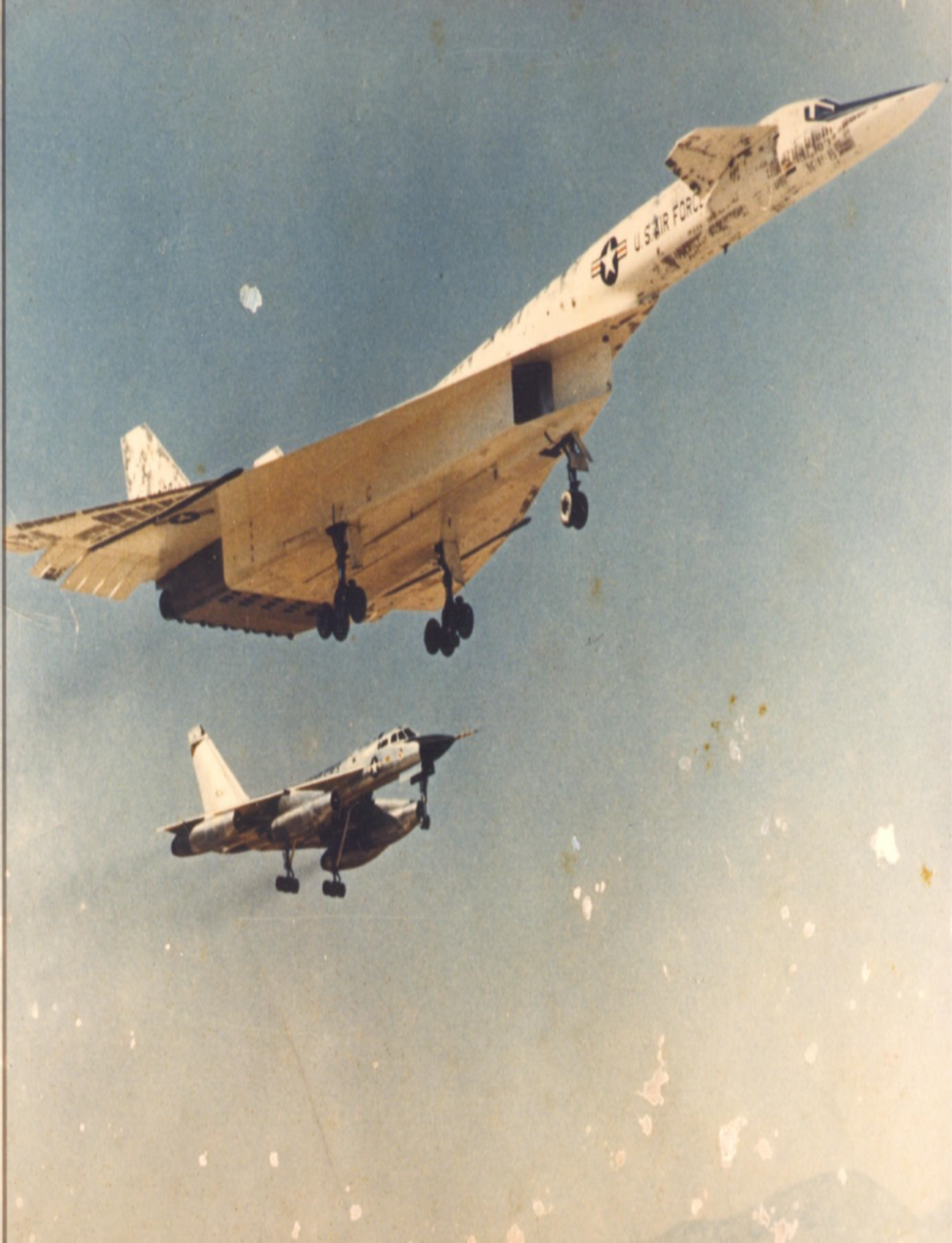
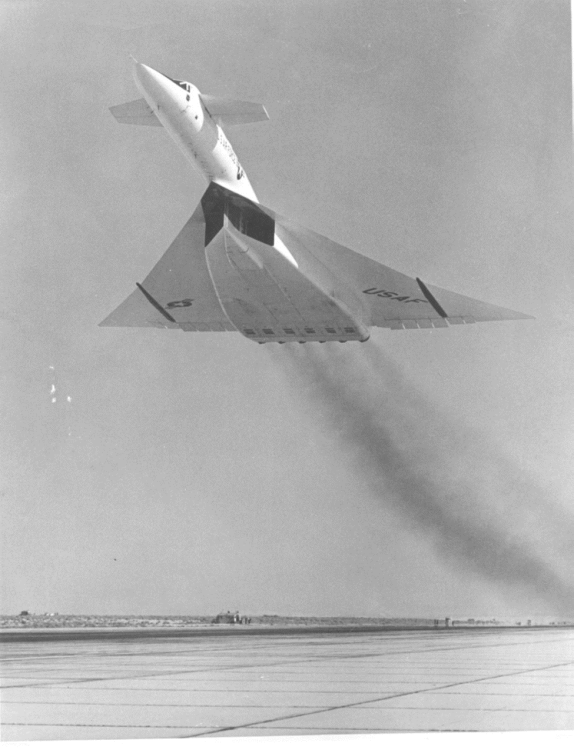
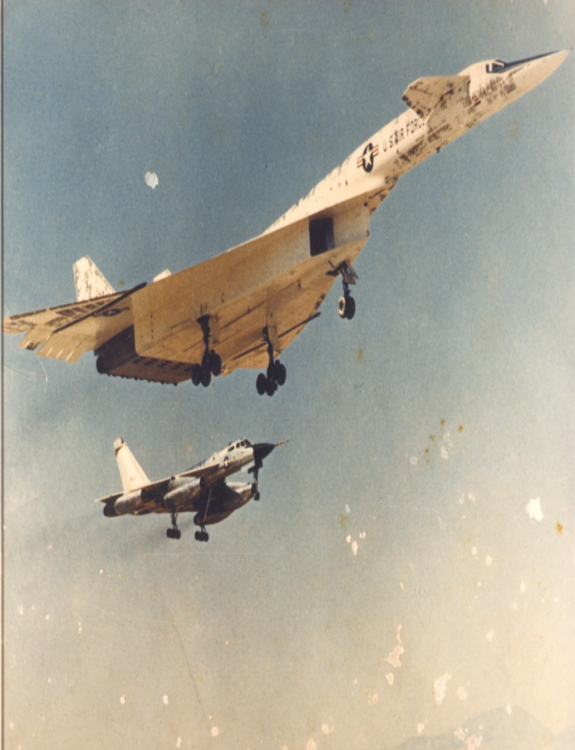
1 pointThis Saturday marks the 60th anniversary of the XB-70 exceeding Mach I for the first time! In 1954, the US Air Force issued a General Operational Requirement calling for a strategic bomber to replace the Boeing B52—which had not yet even become operational. After further studies and refinement over the ensuing months, Weapons System 110A emerged, specifying a large payload, intercontinental range, subsonic cruise, “maximum possible” speed during a lengthy “penetration dash,” and an operational date of 1963. Only Boeing and North American Aviation elected to take on this considerable challenge. It was just seven years after the tiny, rocket-powered X1 first “broke the sound barrier,” but now the Air Force wanted to fly a massive bomber across the world, at a minimum of 60,000 feet, going two or three times as fast as Chuck Yeager did. Even current fighters could not hit these performance requirements, regardless of range. To further complicate the design, the contract also called for a reconnaissance version of the plane to be developed simultaneously. The radical specifications resulted in initially radical designs from Boeing and North American. Both concepts used disposable fuel tanks and weighed threequarters of a million pounds (for comparison, a B52 is less than 200,000 pounds). Realizing the folly of this approach, the Air Force permitted more technology/performance tradeoffs and, in 1957, selected North American’s new design, dubbed the XB70, as the winner. It featured a massive delta wing, six engines that propelled it beyond Mach 3, and an extended “swan neck” front fuselage that was graced by canards (small control wings) on either side. But from the fall of 1957 into 1958, global events outpaced the program. The Soviets had launched Sputnik, the world’s first artificial satellite, and the US had drastically accelerated its Intercontinental Ballistic Missile (ICBM) programs. The ICBMs topped with nuclear warheads could hit the Soviet Union faster (and more cheaply), were nearly invulnerable to interception, and would be ready sooner than massive and expensive bombers like the XB70. The resulting debate was heavily swayed by the ICBM, the potential vulnerability of even highspeed aircraft to interception or surface to air missiles, and by the cancellation of a related fighter program that used many of the same systems, thereby sharing development costs. After several fits and starts, the XB70 program was reduced to just two airframes as prototype/research demonstrators. The first XB70 Valkyrie rolled out of the North American plant at Palmdale, California, on 11 May 1964, and made its first flight on 21 September, concluding at the adjacent Edwards AFB for the rest of the test program. The pilots had planned to take the Valkyrie past Mach 1 on that maiden voyage, but its landing gear got stuck in the lowered position. A second attempt had a hydraulic failure and saw a “large amount” of paint peel from the aircraft (below). Finally, on 12 October 1964, the XB70 exceeded the speed of sound for the first time. The remaining test program experienced a fair share of difficulties, culminating in a midair collision that destroyed the second prototype. NASA briefly flew the remaining airplane for further research, until it made its final journey—to Wright-Patterson AFB for display at the National Museum of the USAF. (Photos: NMUSAF) B-58 Hustler: Length: 96 ft 9.4 in, Wingspan: 56 ft 9.9 in XB-70 Valkyrie: Length: 186 ft, Wingspan: 105 ft
 1 point
 -
1 point